
Have you ever wondered how to get rid of oral health problems without making your daily routine complicated? You’re not alone. Millions of people deal with common dental issues such as bad breath, bleeding gums, plaque buildup, tooth sensitivity, and cavities. While these problems are common, they don’t have to become a permanent part of your life.
The good news is that improving your oral health often starts with simple, consistent habits. Brushing your teeth properly, flossing every day, eating a balanced diet, staying hydrated, and visiting your dentist regularly can all make a significant difference over time.
In recent years, many people have also become interested in supporting their oral health with products designed to complement their daily routine. One such product is DentaBiome, an oral postbiotic supplement marketed to support a balanced oral microbiome. While supplements should never replace brushing, flossing, or professional dental care, some people choose to include them as part of their overall oral wellness plan.
In this comprehensive guide, you’ll learn the common causes of oral health problems, practical ways to improve your dental hygiene, lifestyle habits that support healthier teeth and gums, and how products like DentaBiome may fit into a complete oral care routine.
Why Is Oral Health So Important?
Your mouth contains millions of bacteria. Many of these bacteria are beneficial and help maintain a healthy environment, while others can contribute to plaque, cavities, and gum irritation if they multiply unchecked.
Healthy teeth and gums do much more than improve your smile. Good oral health can help you:
- Eat comfortably
- Speak clearly
- Enjoy fresh breath
- Protect your natural teeth
- Support healthy gums
- Feel more confident in everyday life
Neglecting oral hygiene can allow plaque to build up, increasing the risk of cavities, gum disease, and other dental issues. That’s why understanding how to get rid of oral health problems begins with understanding what causes them in the first place.
✅ Check DentaBiome on the Official Website
Common Oral Health Problems
Before looking at solutions, it’s helpful to recognize the most common oral health issues.
1. Bad Breath (Halitosis)
Persistent bad breath is one of the most common reasons people become concerned about their oral health.
Possible causes include:
- Poor oral hygiene
- Plaque buildup
- Food trapped between teeth
- Dry mouth
- Smoking or tobacco use
- Gum disease
Brushing your teeth, flossing, cleaning your tongue, and drinking enough water can often help reduce bad breath.
2. Bleeding or Swollen Gums
Healthy gums usually don’t bleed during brushing or flossing.
If your gums bleed regularly, it may be a sign that plaque has built up around the gumline. Improving your brushing and flossing habits—and seeing your dentist—can help address the underlying cause.
3. Tooth Decay and Cavities
Cavities develop when bacteria feed on sugars left on your teeth and produce acids that weaken tooth enamel over time.
Without proper care, small cavities can become larger and require professional treatment.
4. Plaque and Tartar
Plaque is a soft, sticky film that forms on your teeth every day.
If plaque isn’t removed through daily brushing and flossing, it can harden into tartar, which can only be removed during a professional dental cleaning.
5. Tooth Sensitivity
Many people experience discomfort when eating hot, cold, or sweet foods.
Tooth sensitivity may occur for several reasons, including worn enamel, exposed tooth roots, or other dental conditions. A dentist can help determine the cause and recommend appropriate care.
What Causes Oral Health Problems?
Understanding the causes is the first step toward learning how to get rid of oral health problems effectively.
Some of the most common contributing factors include:
- Brushing too quickly or not often enough
- Skipping daily flossing
- Consuming large amounts of sugary foods and drinks
- Smoking or using tobacco products
- Drinking acidic beverages frequently
- Dry mouth caused by certain medications or dehydration
- Not visiting the dentist regularly
- Poor overall nutrition
The encouraging news is that many of these factors can be improved through small, consistent lifestyle changes.
✅ Check Today’s DentaBiome Price
How to Get Rid of Oral Health Problems with Better Daily Habits
If you’re serious about learning how to get rid of oral health problems, start by improving your everyday oral hygiene routine.
Small daily habits practiced consistently often have a greater impact than occasional intensive treatments.
In the next section, we’ll cover the best daily practices for protecting your teeth and gums, foods that support oral health, mistakes to avoid, and how DentaBiome may complement your routine as part of an overall oral wellness plan.
Daily Habits That Can Improve Your Oral Health
A healthy smile starts with a simple routine that you can follow every day. If you’re looking for how to get rid of oral health problems, consistency is far more important than expensive products or complicated routines.
1. Brush Your Teeth Properly
Brush your teeth at least twice a day using a soft-bristled toothbrush and fluoride toothpaste.
Spend about two minutes brushing, making sure you clean:
- The front of your teeth
- The back of your teeth
- Chewing surfaces
- Along the gumline
Replace your toothbrush every three to four months or sooner if the bristles become worn.
2. Floss Every Day
A toothbrush cannot reach every space between your teeth.
Daily flossing helps remove food particles and plaque from areas where cavities and gum problems often begin.
Even flossing once a day can make a noticeable difference over time.
3. Clean Your Tongue
Many people forget about their tongue, but it can hold bacteria that contribute to bad breath.
Use a tongue scraper or gently brush your tongue each time you brush your teeth.
4. Stay Hydrated
Water is one of the simplest ways to support your oral health.
Drinking enough water helps:
- Wash away food particles
- Keep your mouth moist
- Support healthy saliva production
Saliva naturally helps protect your teeth by neutralizing acids and rinsing away debris.
5. Limit Sugary Foods and Drinks
Sugar feeds bacteria that produce acids capable of damaging tooth enamel.
Try reducing:
- Soft drinks
- Candy
- Cookies
- Sweet pastries
- Sugary coffee drinks
Instead, choose healthier snacks like:
- Apples
- Carrots
- Cheese
- Plain yogurt
- Nuts
- Leafy vegetables
Foods That Support Healthy Teeth and Gums
A balanced diet supports your overall health, including your mouth.
Some nutrients that are important for healthy teeth and gums include:
Calcium
Found in:
- Milk
- Cheese
- Yogurt
- Fortified plant-based alternatives
Vitamin D
Supports your body’s ability to use calcium effectively.
Sources include:
- Fatty fish
- Egg yolks
- Fortified foods
- Safe sun exposure
Vitamin C
Vitamin C helps maintain healthy gums.
Good sources include:
- Oranges
- Strawberries
- Kiwi
- Bell peppers
- Broccoli
Crunchy Fruits and Vegetables
Foods like apples and carrots can help stimulate saliva production while providing important nutrients.
Habits That Can Harm Your Oral Health
If you’re learning how to get rid of oral health problems, it’s equally important to avoid habits that may increase your risk of dental issues.
These include:
- Smoking or using tobacco
- Frequently sipping sugary drinks
- Skipping brushing before bed
- Ignoring bleeding gums
- Using your teeth to open packages
- Delaying dental checkups
- Consuming excessive acidic drinks without rinsing afterward
Replacing these habits with healthier choices can help support better oral health over time.
Can Oral Health Supplements Help?
Good oral hygiene should always be your first priority.
Some people also choose to include dietary supplements as part of their oral wellness routine. These products are intended to complement—not replace—brushing, flossing, healthy eating, and regular dental visits.
One example is DentaBiome.
What Is DentaBiome?
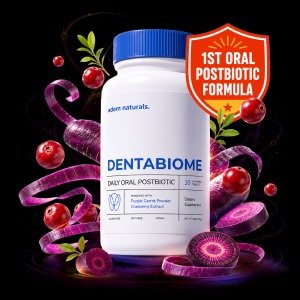
DentaBiome is an oral postbiotic supplement that is marketed to support the balance of the oral microbiome. The oral microbiome refers to the community of microorganisms that naturally live in your mouth.
According to the manufacturer, DentaBiome is designed to be used alongside a consistent oral care routine rather than as a replacement for brushing, flossing, or professional dental care.
As with any dietary supplement, individual experiences can vary, and it’s a good idea to review the product information and consult a healthcare professional if you have questions about whether it’s appropriate for you.
Why Some People Choose DentaBiome
People interested in supporting their oral care routine may consider DentaBiome because it is marketed to:
- Support a balanced oral microbiome
- Complement daily brushing and flossing
- Fit easily into a daily wellness routine
- Promote overall oral wellness as part of healthy habits
Remember that supplements work best when combined with good oral hygiene and regular dental checkups.
👉 Complete Your Daily Oral Care Routine With DentaBiome
Daily Oral Care Checklist
If you’re serious about how to get rid of oral health problems, try following this checklist every day:
✔ Brush twice daily
✔ Floss once a day
✔ Clean your tongue
✔ Drink plenty of water
✔ Limit sugary snacks
✔ Eat a balanced diet
✔ Replace your toothbrush regularly
✔ Visit your dentist for routine checkups
✔ If you choose to use an oral health supplement such as DentaBiome, use it as part of your overall oral care routine—not as a substitute for brushing, flossing, or professional dental care.
Frequently Asked Questions
How can I get rid of oral health problems naturally?
If you’re wondering how to get rid of oral health problems, the most effective approach is to maintain consistent oral hygiene. Brush twice a day, floss daily, clean your tongue, reduce sugary foods, stay hydrated, eat a balanced diet, and visit your dentist regularly. Some people also choose to add products like DentaBiome to complement these habits.
Can oral health problems be prevented?
Many common oral health problems can be reduced by maintaining good daily oral hygiene and scheduling regular dental checkups.
Is brushing enough?
Brushing is essential, but flossing, tongue cleaning, healthy eating, and professional dental care are also important parts of maintaining oral health.
Can DentaBiome replace brushing or flossing?
No. DentaBiome is intended to complement a healthy oral care routine. It should not replace brushing, flossing, or routine dental visits.
Read the article
DentaBiome Oral Postbiotic: A New Approach to Better Oral Health
Discover how DentaBiome Oral Postbiotic offers a modern approach to supporting oral health by helping maintain a balanced oral microbiome instead of simply eliminating bacteria. This article explains what oral postbiotics are, how they differ from probiotics, and why they may contribute to fresher breath, healthier gums, stronger teeth, and improved overall oral hygiene. It also explores the science behind postbiotics, their potential benefits, and why more people are considering them as part of their daily dental care routine. If you’re looking for a natural way to support your smile, this guide introduces an innovative option worth exploring.
Final Thoughts
Learning how to get rid of oral health problems doesn’t require complicated routines or overnight solutions. The biggest improvements often come from simple habits practiced consistently—brushing properly, flossing every day, eating nutritious foods, staying hydrated, and visiting your dentist on a regular basis.
If you’re looking for additional ways to support your oral care routine, DentaBiome is one option that some people choose to include alongside these daily habits. While no supplement replaces good dental hygiene, combining healthy lifestyle choices with a consistent oral care routine can help you work toward a healthier smile.
Affiliate Disclosure: This article may contain affiliate links. If you purchase a product through these links, I may earn a commission at no additional cost to you. The information provided in this article is for educational purposes only and should not be considered medical or dental advice. Always consult a qualified dental professional regarding concerns about your oral health.

Pingback: DentaBiome Oral Postbiotic: A New Approach to Better Oral Health - Sawaareview